Fill Up, Cash In: How Truck Stops Became America's Strangest Arcades
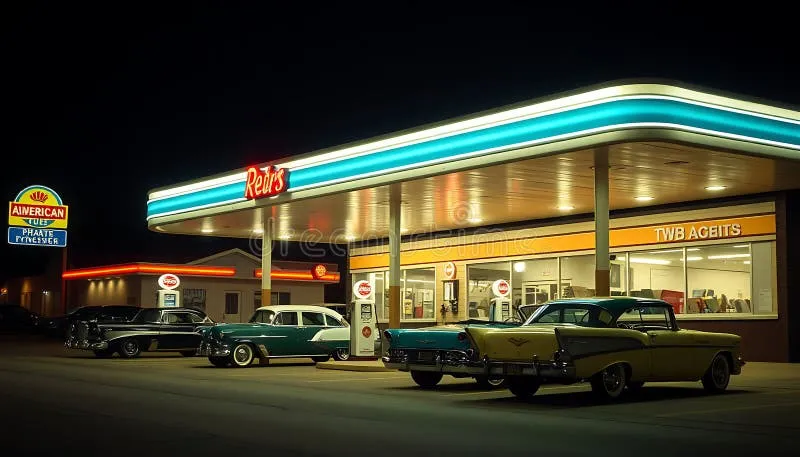
There's a particular sound at 2 a.m. at a truck stop outside Amarillo: the soft electronic chirp of a claw machine, punctuated by the hiss of a coffee maker that hasn't been cleaned since the last presidential administration. Nobody planned for this to be an arcade. It just happened.
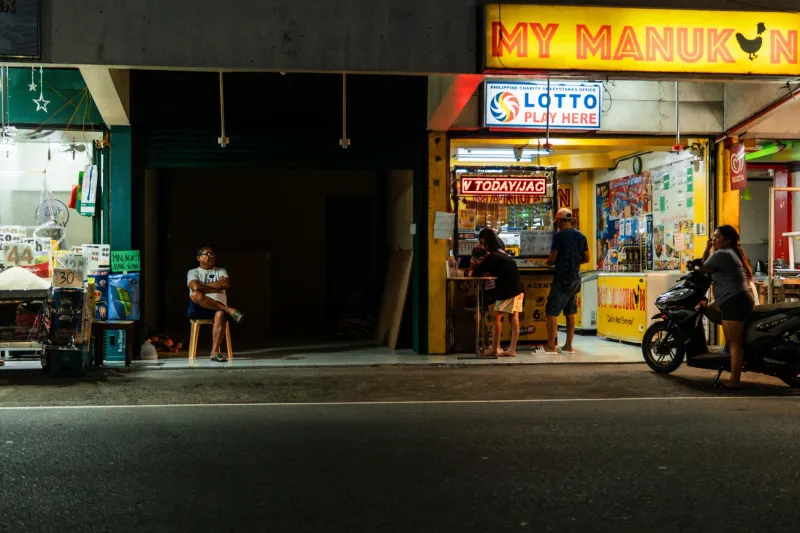
If you've driven any meaningful stretch of American highway, you already know the setup. You walk in for a fountain drink and a bathroom break, and you walk past a gauntlet of blinking temptation — a lottery kiosk humming next to the register, a video poker bar bolted to the wall in states where that's legal, a claw machine stuffed with plush bulldogs wearing team jerseys, and maybe, if you're lucky, one of those quarter-flipping machines that promises a cascade of coins it will never actually deliver.
This is the gas station game lounge. It has no marketing budget, no loyalty program, and no idea how cool it is.
The Five-Minute Casino
Talk to station owners and a pattern emerges fast: the games aren't a side hustle — they're the reason some customers come through the door at all.
Darlene runs a travel center off I-80 in western Nebraska, the kind of place where the parking lot holds more semis than sedans. Her three video poker machines sit in a glassed-off nook near the ATM. "Truckers come in on a 45-minute break," she told me over the phone, in the tone of someone who's had this conversation before. "They'll grab a sandwich, feed a twenty into the machine, and either walk out happy or walk out shrugging. Either way, they're back next week."
That's the magic of the format, if you want to call it that. Gas station gaming is frictionless by design. No membership card, no app download, no lobby to wait in. You've got five minutes while your tank fills and your tires get air? Perfect. That's a full session. It's the original snackable gaming — long before anyone on the internet invented that phrase.
Route 66 Runs on Odds and Nostalgia
Head down to Seligman, Arizona — one of the towns that kept Route 66's heart beating after the interstates bypassed it — and the gaming corners get a little more theatrical. Claw machines stocked with Route 66 plushies. Lottery scratcher displays arranged with the care of a jewelry case. One station owner I spoke with, who asked to go by Ray because "my wife doesn't need to know how much the claw machine makes," said the machine pulls in more on weekends than his soda fountain did in a month during the off-season.
"Tourists want a story," Ray said. "They can get gas anywhere. But they can't lose a plush roadrunner to a rusty claw anywhere."
He's half joking, but there's something real underneath. These machines sell a tiny, affordable drama — the two-minute thriller between the pump and the highway. Compared to a $70 video game or a casino with a dress code, the two-dollar scratcher and the fifty-cent claw feel almost democratic.
The Characters Behind the Counter
Every good gaming corner has a curator, even if they'd never use that word. It's the clerk who knows which scratch-off tickets are "running hot" this week — a superstition with zero statistical basis that absolutely everyone in the building believes. It's the owner who repositions the claw machine three inches closer to the door and swears foot traffic went up 10%.
These are folk economists, and their theories are passed down like family recipes. Don't stock the machine near the door with cheap prizes — put the good stuff where people can see it. Empty the coin machine on Sundays, never Fridays. If a trucker wins big, comp him a coffee, because he'll tell every driver on his CB channel for the next 400 miles.
None of it would survive a business school review. All of it works, because gas station gaming runs on the same fuel as the rest of the place: habit, folklore, and regulars.
Why We Keep Pulling Over
There's a larger story here about American play. We tend to think of gaming as something that happens on consoles, in casinos, or on our phones. But the gaming corner at the TravelCenters and Love's and family-run stations of the world occupies its own weird, beloved niche. It's low stakes, low commitment, and weirdly communal — you'd be amazed how many friendships start with a stranger saying "that machine never pays, kid."
It's also stubbornly analog in spirit, even when the machines aren't. No account, no leaderboard, no notifications chasing you across the internet. You put in your money, you take your shot, you get back on the road. The game exists for exactly as long as you're standing there, and then it lets you go.
Somewhere in that is a lesson the rest of the gaming industry keeps failing to learn.
So the next time you stop for gas and find yourself drawn to the glow of a claw machine or a lottery kiosk, don't feel silly. You're participating in one of the country's oldest unplanned traditions — the roadside game lounge, blinking patiently between the ice machine and the beef jerky, waiting for the next traveler with five minutes and two bucks to spare.
Play your two dollars. Stretch your legs. Get back on the highway.
The machines will be there when you come back through. They always are.