Number 42, Now Serving: The Secret Gamers of America's Waiting Rooms

Photo by Photo by Alexander Schimmeck on Unsplash on Unsplash
There's a particular sound that defines modern American downtime: the flat, robotic chirp of a queue ticket machine. Take number 88. Now serving number 42.
Most of us hear that sound and feel our souls leave our bodies. But a growing tribe of players — call them waiting-room gamers — hear something else entirely. They hear a game loading.
The Queue Is the New Arcade
Think about how much of your life is spent in bureaucratic limbo. The average American logs serious hours every year at the DMV, the airport, urgent care, the pharmacy counter, the secretary's office with the out-of-date magazines. That's not dead time to everyone.
"People think I'm weird for loving the DMV," laughs Marcus, a 34-year-old warehouse scheduler in Columbus who asked us to use only his first name. "Two hours, guaranteed, no interruptions, phone fully charged. That's not a wait. That's a session."
Marcus isn't playing anything you'd find on a top-ten list. His game of choice is one he invented: he guesses the current serving number before the screen updates, tracks his accuracy percentage across visits, and keeps a running streak in his notes app. His personal best is eleven correct calls in a row.
"It's basically probability practice," he says. "The ticket pace tells you how many clerks are working. Once you clock the rhythm, you can call it. It's the most engaged I've ever been at a government building."
The Mental Math of the Waiting Tribe
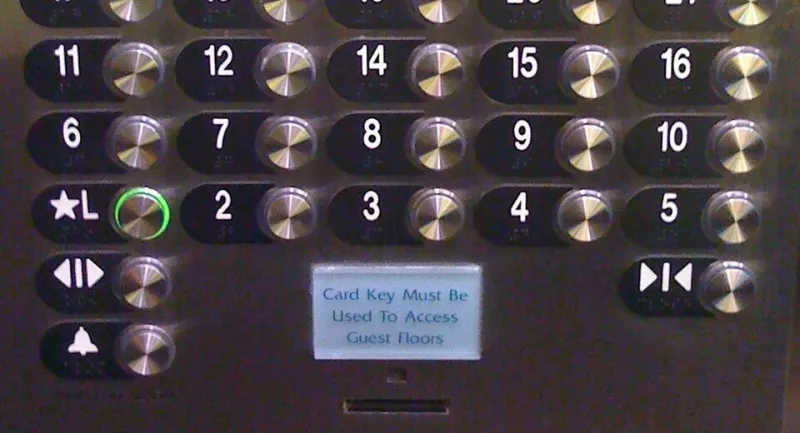
Hang around enough lobbies and you start noticing the patterns. There's the woman at the airport gate who plays "seat roulette," assigning a number to each unoccupied chair and letting the boarding order decide her neighbors. There's the retired math teacher in a Phoenix urgent care who calculates the average wait-per-patient and announces his predicted appointment slot like a weather forecaster. There are the kids — everywhere, always — turning ticket stubs into trading cards and elevator floor buttons into bingo cards.
What unites them isn't the game. It's the reframe. Waiting stops being punishment and becomes raw material. A number appears; a game begins.
Psychologists have a boring name for this — cognitive reframing — but the gamers themselves keep it simpler. "You can't control the line," one frequent flyer told us at a Denver concourse, mid-connection, "but you can control whether it's boring."
A Field Guide to Turning Wait Time Into Play Time
Consider this your starter kit, tested across DMVs, gates, and one very long pharmacy line in Tulsa:
1. The Serving Number Oracle. Before the screen flashes, guess the next number. Track your hit rate. Bonus points for factoring in how many windows are staffed.
2. Lobby I Spy, Numerical Edition. Pick a digit — say, 5 or 7 — and hunt for it in price tags, form numbers, magazine page counts, and that one crooked wall clock. First to ten finds wins.
3. The Estimation Game. Guess how many people are ahead of you, how long your wait will be, or what the receipt total will be at the gift shop. Closest guess buys the coffee.
4. Sequence Spotting. Watch the serving numbers and call out patterns: evens streak, odd clusters, the dreaded skip. It's pattern recognition with a federal soundtrack.
5. The Two-Player Phoneless Duel. Waiting with someone? No apps allowed. One person picks a two-digit number; the other has three guesses to land within five. Loser holds the luggage.
None of these require Wi-Fi, a battery, or a single download. That, veterans say, is the whole point.
Why the Old-School Wait Wins
There's an irony here worth sitting with. We carry supercomputers that can stream anything, yet the most memorable gaming moments reported to us happened in rooms with chairs bolted to the floor and a TV muted on CNN.
Maybe it's scarcity. When entertainment is infinite, it stops feeling like play. But when you've got ninety minutes, a ticket reading B-217, and nothing but your own head? Constraints kick the imagination awake. The waiting room becomes a puzzle box, and every number that crackles over the speaker is a roll of the dice you didn't have to pay for.
The folks we met aren't waiting less than anyone else. They're just waiting differently — with a streak on the line, a guess riding on the next number, and a private scoreboard nobody else can see.
So next time the machine spits out your ticket and the screen reads now serving 42 while you hold 88, don't sigh. Deal yourself in. The queue, it turns out, has been a game the whole time. You just had to know how to play it.
What's your go-to waiting room game? The lobby confessions are always open in the comments.