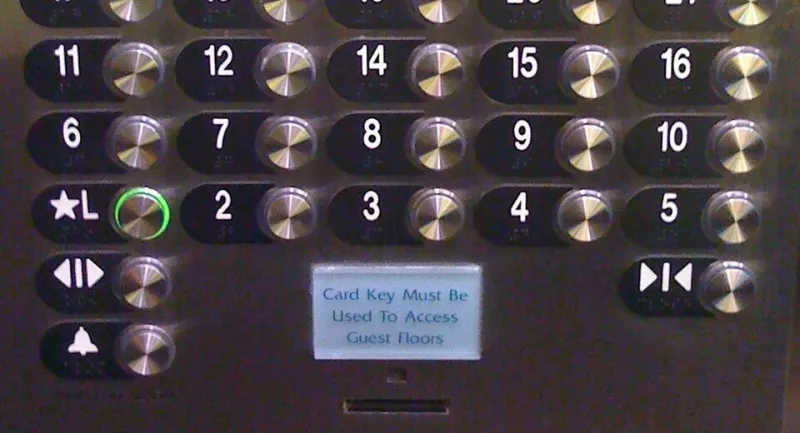
Type 57, Door Opens: The Secret Lives of Superstitious WiFi Passwords
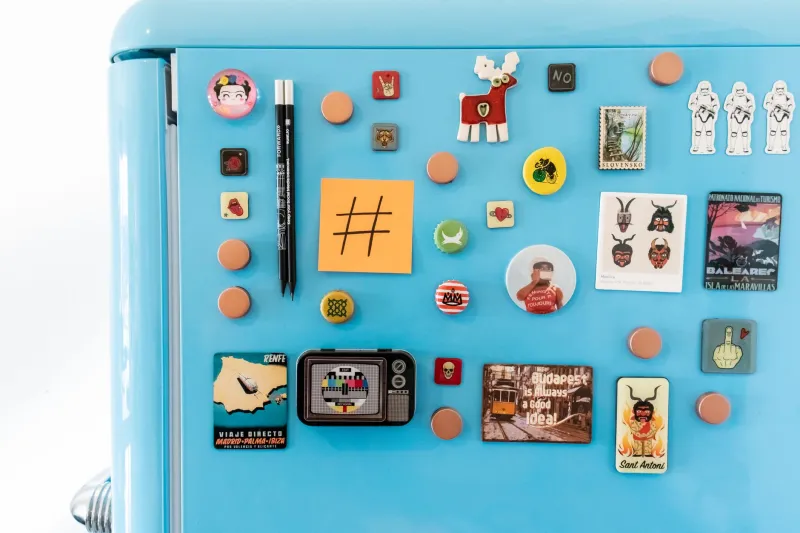
Somewhere in suburban Ohio, there's a refrigerator with a magnet that says "WiFi: TheHendersons / password: ask Jake" — and Jake will tell you, with a completely straight face, that the password is Muma5707! because his daughter was born on May 7th and the 57 combo "just feels right."
Jake is not alone. Not even close.
The Password You Say Out Loud at Parties
Ask around at any backyard cookout and you'll hear it: the guest WiFi is somebody's wedding year, a kid's jersey number, or — our personal favorite — a couple of digits the family considers lucky. One household in Tucson rotates their garage code every time the Diamondbacks lose three in a row. Another in Maine swears their old passcode "went stale" after a bad stretch of luck at the scratch-off counter, so they swapped the 13 for an 88.
It's a tiny ritual, repeated dozens of times a day. You type it in on your phone when you walk in. Your kids type it into the tablet. Your brother-in-law types it while holding a paper plate of ribs. Every single keystroke is a micro-dose of this number means something to us.
Sound familiar? It should. It's the same impulse that keeps 57Mumu Play in business — the belief that digits aren't just digits, they're little vessels of fortune you can carry around with you. Most people just tuck that belief into a scratch-off ticket. These families tuck it into their router.
"We Rotate When the Luck Runs Out"
We asked a few families how the system works, and the answers were delightfully unscientific.
The Delgados, San Antonio: "Our old code had my wife's birthday in it. When I got laid off, we figured the number was tired. New code, new job — she got hired two weeks later. I'm not saying it's magic, but I'm not not saying it."
The Okafors, Atlanta: "We put 5757 in the guest WiFi. Every cousin who visits mentions it. It became a whole thing — people say the network has good vibes. My nephew swears he won his fantasy football league because he drafted while connected to it."
Carol, 71, rural Wisconsin: "The bingo hall wouldn't let me bring my own dauber with the 7 on it, so I put a 7 in my phone lock code instead. Same luck, more portable."
That last one might be the most American sentence we've ever transcribed.
The Security Expert in the Room
Of course, there's a guy at every party whose job is to ruin this, and his name is — in this case — Marcus Wei, a cybersecurity consultant who has spent twenty years watching people make his job harder in charming ways.
"Superstitious passwords are a double problem," he told us. "First, they're usually guessable. Birthdays and anniversaries are public information — they're on Facebook, on the party invitation, on the cake. Second, people get attached to them. A lucky password is a password you'll never rotate, even after a breach."
His recommendations, translated from security-speak into plain English:
- Keep the meaning, add the noise. "Muma5707!" is cute. "Muma-57-07-turquoise-barnacle" is actually strong. Length beats complexity every time.
- Never put a real birthday in a garage or door code. Four digits is a small search space, and your birthday is the first space anyone searches.
- If the luck matters more than the digits, hide the digits. Salt the code with numbers only your family understands. The ritual survives; the vulnerability doesn't.
Marcus admits he has a soft spot for the practice. "My own router password has my dog's adoption date in it," he confessed. "I know. I'm a hypocrite with a firewall."
Fortune, Embedded in the Everyday
Here's what we keep coming back to: Americans have always smuggled luck into the infrastructure of daily life. A penny in the glovebox. A horseshoe over the door. A rabbit's foot on the keychain that opens the door you're already superstitious about.
Passwords and passcodes are just the newest doorframe to nail that horseshoe onto. You walk through them constantly — the WiFi handshake, the phone unlock, the garage rolling up at 6:40 p.m. — and if the digits riding along happen to be the ones your family believes in, well, the whole day feels a half-degree luckier.
Is it rational? No. Is it security best practice? Absolutely not, says Marcus. Is it a sweet, harmless, deeply human way of making the mundane meaningful?
Type 57, door opens. You tell us.