Seven Games You Can Play With a Grocery Receipt (No App Required)

Photo by Photo by Fujiphilm on Unsplash on Unsplash
You already own a game cartridge. It's about four inches long, printed on thermal paper, and you usually stuff it in a bag and forget it exists.
A grocery receipt is a dense little field of digits: totals, item counts, coupon codes, dates, times, a member number, and the price of every single thing you put in the cart. With the right frame of mind, that's not a record of errands. That's a scoreboard. Here are seven games you can play with it, all free, none of which require a phone.
Rules can be bent, arguments are part of the fun, and the winner usually gets to pick the next snack.
1. Total-Digit Poker
The house game. Everyone gets a receipt — yours, a partner's, a friend's from earlier in the week, the one in your jacket pocket.
Look at the final total and take the last three digits. That's your hand. Compare hands across the table using simple poker logic: a triple (7-7-7) beats a run (4-5-6), which beats a pair, which beats nothing. Ties break on the last digit of the subtotal. The person with the highest hand wins, and if two players land on identical triples, you have to do another lap through the store to break the tie, which is either a penalty or the whole point, depending on your family.
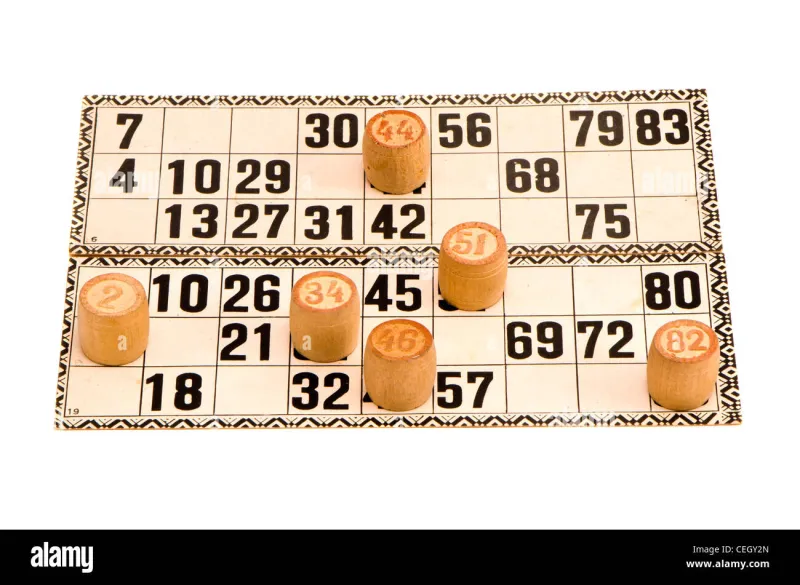
2. Coupon-Code Bingo
Before you check out, print or draw a 5x5 grid and fill it with digits 0 through 9 in random order. In the parking lot, take the coupon codes and lookup numbers printed near the bottom of the receipt and cross off digits as they appear, left to right.
First line — horizontal, vertical, diagonal — wins. Codes on receipts are long, so this resolves fast. Bonus variation: nobody may cross off a digit until the person to their left confirms it out loud, which extends the game and starts fights.
3. The Item-Count Challenge
Play this one before the receipt prints. Just before the cashier starts scanning, every player writes down a guess for the total number of items and the final total. You get one point for nailing the item count, one point for landing within a dollar, two points for landing within a quarter.
It sounds trivial and it is not. Estimating item count is surprisingly hard because bags of produce, weighed items, and that one thing you grabbed near the register all distort the number. Regular players get uncannily good at it, which is either a talent or a symptom.
4. The Aisle-Price Ladder
After the receipt prints, block out the store name and scan the individual prices. Find the longest unbroken ascending run you can — each item pricier than the one before. Read them off in order. Three in a row is a decent ladder; five is bragging rights.
Advanced players play it in reverse and hunt for the longest descending run instead, which is much harder and produces a satisfyingly tragic feeling as each price drops.
5. Receipt Rummy
Deal the receipt's line items out in a row. Take turns picking up to three items and trying to assemble a "set" by one rule only: they must share a last digit in their price. So $4.29, $1.99, and $7.19 form a set on 9. An eleven-dollar can of coffee ends things quickly if you're unlucky.
The twist: whatever set you claim out loud, you have to justify with a story. "These are the items I'd bring to a desert island." "These are the items I only bought because I was hungry." Best story earns the extra point, regardless of the math.
6. The Penny Drop
A two-person sprint. Each player takes a receipt and rounds every line item's price up to the nearest dollar, then adds the difference. That total is the "penny drop" — what you'd have paid if the store rounded up on every single item.
Closest guess to the other player's penny drop wins. It's a small lesson in how quickly loose change accumulates, disguised as a bet, which is the best kind of lesson.
7. Weekly Ledger Bingo
This is the slow-burn version, best played with four people and four receipts from the same week. Nominate five digits before you begin — say 1, 3, 5, 7, 9. Whoever's receipt contains all five among its line-item prices wins the week.
If nobody does — and early rounds usually end in nobody — the winning digit is whichever one appears most often, and the player holding the most appearances of that digit takes it. Keep a running tally on the fridge. By month two, someone will be genuinely invested, and by month three, they'll be checking receipts they didn't even pay for.
Why Bother
None of this saves you money or makes the checkout line shorter. That's the point. It's analog, zero-cost entertainment built from something you'd otherwise throw in a bag and forget, and it works because the digits are already there — you just have to stop reading the receipt as a bill and start reading it as a card.
Next trip, keep yours. Somebody at home is going to want to see it.