The Grease-Stained Grid: Why Diner Placemats Became 2026’s Most Honest Arcade

Photo by Photo by Fabien Maurin on Unsplash on Unsplash
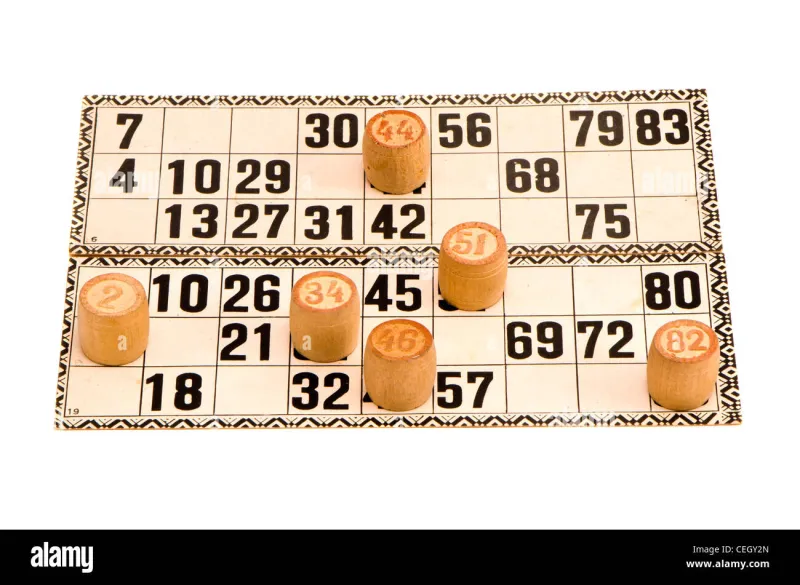
At a diner outside Columbus, Ohio, the menu is laminated, the coffee is refilled without asking, and the placemat is doing something a phone cannot: waiting. There is a number maze in one corner, a dot-to-dot in another, and a tiny score box that asks you to count how many times you can draw a seven before the eggs arrive. In 2026, that paper rectangle is quietly becoming one of America’s most honest gaming surfaces.
The Placemat Is a Screen You Can Spill Coffee On
Placemat games are not new. Diners have handed kids crayons and mazes for decades. What is new is the seriousness of the revival. Restaurant owners say customers are asking for the paper version instead of the kids’ tablet, and small print shops are selling placemat pads designed like arcade cabinets: numbered challenges, mini crosswords, and score boxes that turn a breakfast counter into a low-stakes competition.
The appeal is partly practical. A placemat does not need a charger, a login, or a terms-of-service agreement. It does not buzz when someone likes a post. It sits there, slightly greasy, and invites you to solve one small thing before your omelet gets cold. For a country that has spent a decade optimizing every spare minute, that is almost radical.
How the Comeback Started, and Who Is Designing It
The revival is coming from two directions. On one side are independent diner owners who want a tabletop experience that feels local rather than algorithmic. On the other are designers who grew up folding paper games in school and now sell placemat packs to restaurants, cafes, and family-owned breakfast spots. Neither group is trying to build the next big app. They are trying to make five minutes at a table feel less like a gap to fill and more like a game to play.
A common design trick is the 57-second rule: a puzzle should be short enough to finish before the server comes back, but interesting enough that you almost regret finishing. That means no tutorials, no pop-ups, and no progress bars. Just a grid, a prompt, and a crayon that has seen better days.
The Classics, Ranked by Crayon Damage
Here is our highly unscientific ranking of the placemat games still earning marks in 2026:
-
The number maze. You start at one and try to reach fifty-seven without crossing a line. It is simple, portable, and weirdly tense when the coffee is still too hot to drink.
-
Dot-to-dot with a twist. Classic dot-to-dots are soothing. The best modern versions add a hidden number pattern, so the picture only makes sense if you count carefully.
-
Mini crossword. A five-clue crossword is the perfect diner puzzle. It rewards a little vocabulary, a little patience, and absolutely no desire to improve your morning routine.
-
Score-based doodle challenge. Draw as many circles as you can in thirty seconds, then count them. It sounds pointless because it is pointless, which is exactly why people play it.
-
Numeric tic-tac-toe. Instead of Xs and Os, players use digits. The rules vary by diner, which means every table has its own house version.
-
Number search. A word search, but with digits. It is the most relaxing entry on the list and the one most likely to survive a syrup spill.
Why a Grease-Stained Puzzle Beats a Phone App for Five Minutes
Phone games are engineered to keep you. Placemat games are engineered to end. That is the whole difference. A good placemat puzzle does not track your streak, sell you a booster, or suggest that you would be happier if you played for another twenty minutes. It gives you a small, contained challenge and then lets you go back to your pancakes.
There is also something useful about the physical mess. A placemat records the evidence of play: the wobbling line, the crossed-out mistake, the score box that got too small. Unlike a high score in an app, it cannot be synced, shared, or compared across the country. It belongs to that table, that breakfast, and that person who decided to count sevens instead of scrolling.
At 57Mumu Play, we like games that respect the clock. A diner placemat is not trying to become your hobby. It is trying to be the best five minutes of your wait. In 2026, that is a surprisingly high bar, and the paper grid is clearing it one crayon at a time.