11:11 and the 5-7 Habit: The Number Pairs Americans Won't Stop Believing In
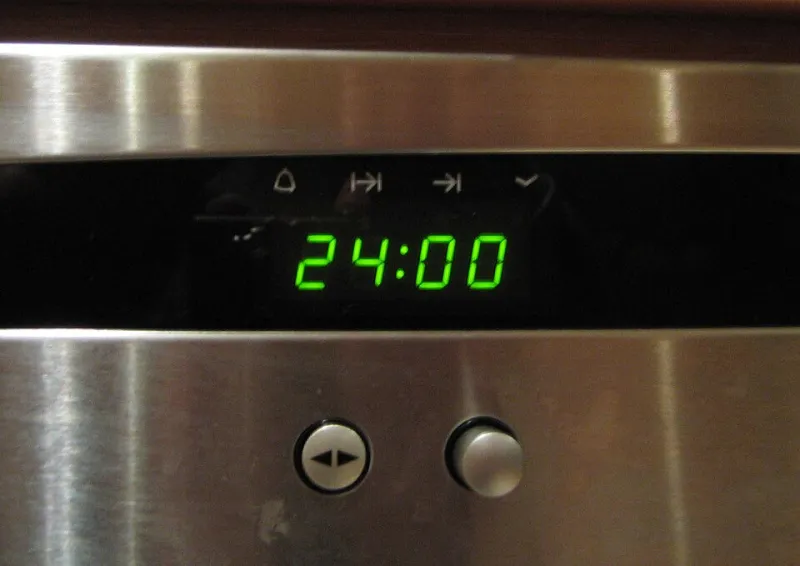
Photo: Unknown, CC BY-SA 2.0, via Wikimedia Commons
If you've ever grabbed your phone at 11:11 to screenshot the clock before it changed, congratulations — you're part of a very large, very superstitious club. Doubled digits and lucky pairs have a strange grip on American players, and after years of running games at 57Mumu Play, we can confirm: the rituals are real, and they're delightful.
Here's a tour of the number pairings people actually play by — and a little of the psychology behind why pairs hit different.
11:11: The Wish You Can Screenshot
The granddaddy of American number pairs. Ask around and nearly everyone has a version of the rule: see 11:11, make a wish, don't tell anyone. On social media, the timestamp is a whole genre — thousands of posts daily, clocks frozen at the magic minute.
Regular players we hear from take it further. "If I catch 11:11 before a game session, I play my best," one longtime casual player told us. Is there anything to it? Probably not statistically. Does it make the session more fun? Absolutely.
7-7: Doubled Luck, Double Down
Seven is America's luckiest single digit, so seven twice is basically a superstition with a multiplier. Slot machine sevens, dice totals, jersey numbers — the pair shows up wherever people want extra insurance on a good thing. Some players refuse to enter any draw without at least one seven in the mix; the true believers want two.
5-7: The Quiet Cult Favorite
You knew we'd get here. The 5-7 pairing has become a low-key favorite among numeric-savvy players — part in-joke, part good-luck charm. It's not a traditional omen, which is exactly the appeal: it feels like a secret handshake. Players who pick 5-7 in number games aren't chasing folklore. They're adopting a combo because it's clean, memorable, and has a little bit of brand mythology behind it. That's not superstition, exactly. It's identity.
21-24: The Underdog Combo
Less famous, but beloved by a dedicated crowd: the 21-24 pairing. Some players swear by it for dice games and daily picks, drawn to the pairing's balance — one odd, one even, both loaded with cultural baggage (21 needs no introduction in America; 24 evokes everything from sports legends to round-the-clock reliability). It's the pick for people who think 11:11 is too mainstream.
Why Our Brains Love a Pair
There's a real psychological engine under all of this. Humans are pattern-seeking machines, and paired numbers are the easiest patterns in the world to spot. Psychologists call the tendency apophenia — seeing meaning in randomness — and games of chance are basically apophenia gyms.
Pairs also pass a gut-check that single digits fail: they feel intentional. One seven might be a coincidence. Two sevens feels like a message. And once a pair 'works' once — you win a round, your ticket hits small — the memory sticks while the dozens of misses quietly evaporate. Psychologists call that selective memory. Players call it a streak.
Play the Ritual, Enjoy the Game
Here's our honest take from the 57Mumu Play desk: lucky pairs won't change your odds, and any site that tells you otherwise is selling something. But rituals do something genuinely valuable — they make play feel personal. A lucky combo turns a random draw into a story you're telling.
So screenshot your 11:11. Enter your 5-7. Knock on wood with your 7-7. The numbers don't care, but you'll have more fun — and honestly, that's the whole point of playing.