Stealth Math Class: 12 Games That Taught Us Numbers Before We Knew It
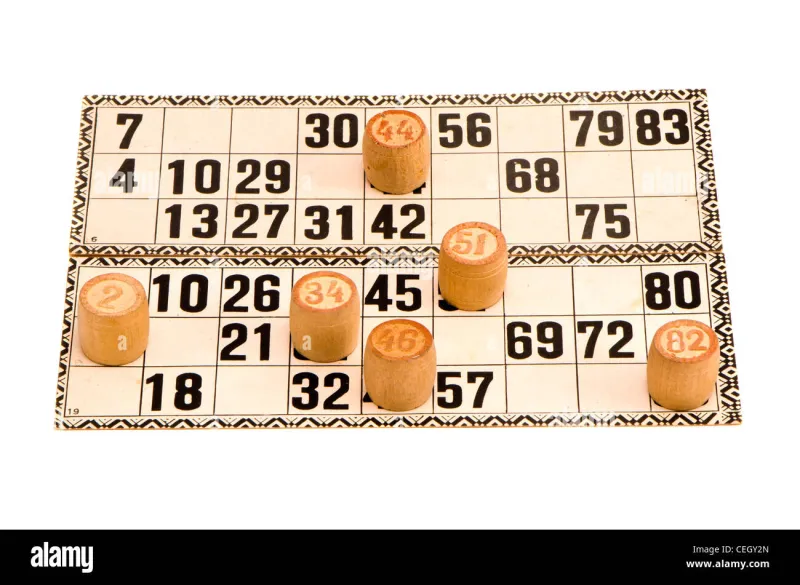
Photo: vintage bingo cards and dice on wooden table, via c8.alamy.com
Nobody sits a six-year-old down and explains probability. But hand that same kid a bingo card, and by the second round they're scanning five columns, tracking patterns, and doing instant subtraction without breaking a sweat.
That's the quiet genius of the number game. Long before Americans wager on digits, we learn to love them through play — at kitchen tables, in classrooms, and lately, on our phones. Here's a tour through the games that taught a whole country to count.
The Hall of Fame
1. Bingo. The granddaddy of them all. A grid, a caller, and instant pattern recognition under pressure. Generations of Americans learned number ranges and column logic in church basements before they ever saw an algebra worksheet.
2. Dominoes. Counting disguised as strategy. The dots on a domino teach subitizing — recognizing quantities at a glance — which is one of the earliest math skills kids develop.
3. Yahtzee. Roll, add, decide. It's a probability course wearing a party hat. Anyone who's agonized over which box to score in has done expected-value math, whether they know the term or not.
4. Flashcards. Less a game than a duel. The competitive framing — beat your sibling, beat the clock — turned rote arithmetic into something kids voluntarily did at the dinner table.
5. Mancala. Ancient, elegant, and secretly an exercise in counting, estimation, and planning several moves ahead.
6. Monopoly. The numbers here are about money: making change, computing rent, weighing a $200 luxury against long-term odds. An entire generation learned that math has consequences the hard way.
7. Uno. Color and number matching builds the same quick-sorting skills that later make mental math fast. Also taught everyone the visceral pain of a Draw Four.
8. Battleship. Coordinate pairs! The game is literally a lesson in the Cartesian grid, smuggled in as naval warfare.
9. Blackjack (the kitchen-table version). Every kid who learned to count to 21 at a family gathering was practicing addition with a decision under uncertainty attached.
10. Sudoku. The logic puzzle boom of the 2000s trained pattern elimination and deduction — no arithmetic, but pure number reasoning.
11. 2048 and its cousins. The smartphone era's contribution: powers of two, doubling, and spatial planning in a five-minute session. Millions of Americans now do exponent math recreationally.
12. Daily number puzzles and pick-your-digits apps. The modern evolution — short, casual, number-forward games you play in a checkout line. The math is lighter, but the habit of thinking in digits sticks.
Why Play Beats the Textbook
There's a reason these games work where worksheets fail. Games give numbers stakes. A flashcard says "7 + 8"; a dice game says "7 + 8, and your sister is winning." The brain pays attention when it matters.
Educators have noticed. Classrooms now lean heavily on game-based learning, and the apps kids use for math practice are, structurally, the same games their grandparents played — points, levels, streaks. The delivery changed; the trick didn't.
From Play to Play Money
Here's where it gets interesting for those of us who run a number-flavored gaming site. The comfort Americans feel with digits — reading them fast, spotting patterns, trusting hunches about them — starts with these games. The bingo hall regular and the 2048 speedrunner are doing the same fundamental thing: making friends with numbers.
That fluency is why casual number games remain one of the most durable genres in mobile gaming. They're not a new invention. They're the oldest edutainment in the country, just wearing a new interface.
Your Homework (The Fun Kind)
Pick one game from the list and play it this week — the analog version if you can find the box. Notice how quickly the counting becomes automatic, and how good it feels.
Then try a modern number puzzle on your phone and appreciate the lineage. Same dots, same dice, same quiet math lesson. Just fewer church basements.