Pump 5, Ticket 7: The Quiet Superstition of America's Highway Counters
Photo: Ministry of Petroleum and Natural Gas, GODL-India, via Wikimedia Commons
The register at the Love's Travel Stop outside Amarillo reads $57.42. The customer in line — a long-haul driver with a thermos the size of a fire extinguisher — does the thing everyone behind the counter has seen a thousand times. He pauses. He nods, almost imperceptibly. Then he asks for two scratchers and points at the rack.
"Fifty-seven's my number," he says, like that explains everything.
It kind of does.
The Ritual Nobody Teaches You
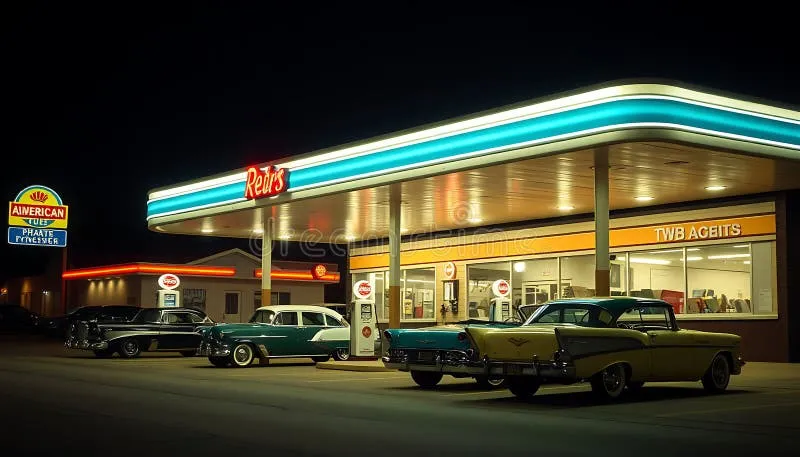
Ask around at any highway-adjacent convenience store and you'll hear versions of the same folk practice: play the pump number. If you filled up at pump 5, buy a $5 ticket. Register total ends in 7? That's your digit for the day. Some drivers carry a running tally in their heads, a personal lucky ledger built entirely from digits the fuel computer handed them at random.
Nobody teaches this. There's no TikTok trend to trace, no marketing campaign behind it. It just seems to happen, the way travelers have always invented small rituals to make the road feel less random.
"I had a guy last month who wouldn't buy a ticket unless his total came to something with a seven in it," says Marisol, a cashier at a truck stop off I-40 in New Mexico. "He'd add a candy bar, take it off, add a drink. I finally just rang him up till the number worked. It's faster than arguing."
A Souvenir You Can Scratch
What makes the gas station ticket different from the casino, the app, the state lottery website? Portability, mostly — and a weird kind of meaning.
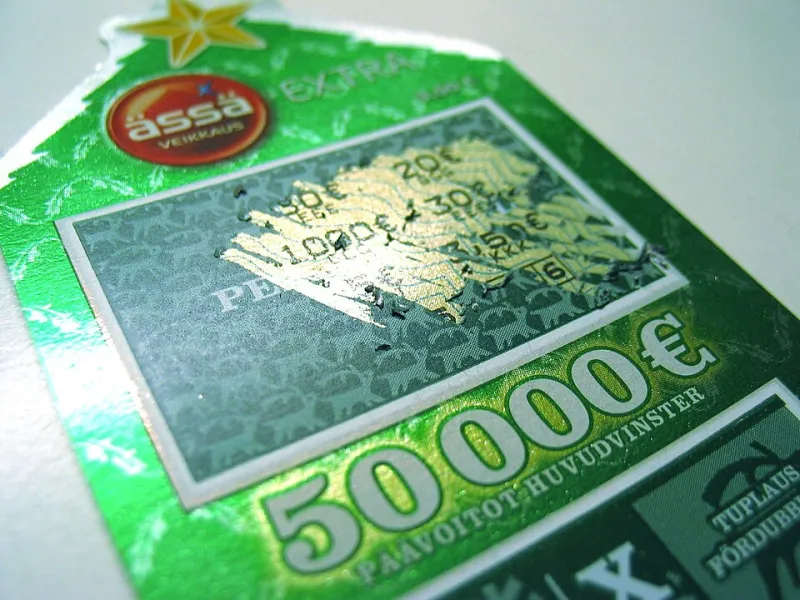
A scratcher bought at a rest stop in Missouri isn't just a gamble. It's a receipt from a place you'll probably never see again. Some travelers tape losing tickets into their glovebox like postcards. Others keep a winner — even a $4 winner — pinned to the sun visor, a tiny monument to the day the digits cooperated.
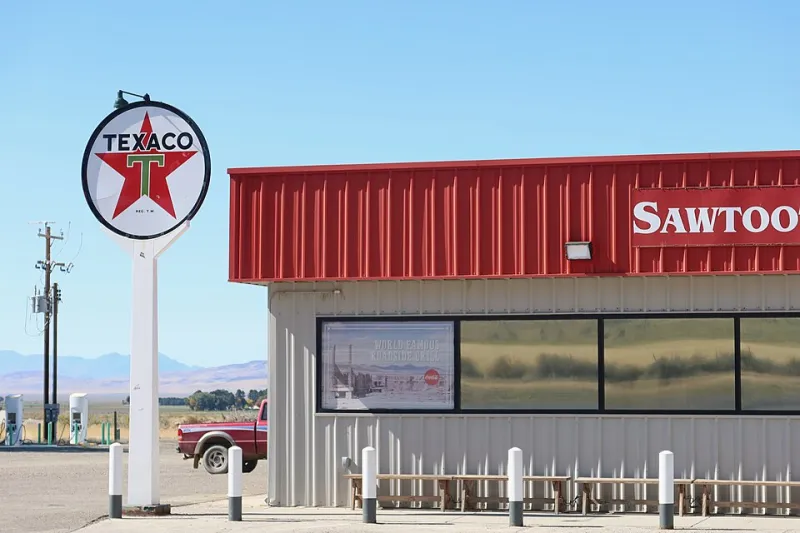
"People ask for tickets from our store specifically," says Dale, who has run the counter at an independent station on Route 61 in Minnesota for eleven years. "Like the location matters. I'll say, ma'am, it's the same ticket you'd get in the Cities. They don't care. They want the one from here."
He's right that the odds don't change. But the story does. And on the highway, story is the whole currency.
The Cashier's Eye View
Spend an hour at any highway counter and the patterns emerge. Morning coffee crowds buy quick-picks. Long-haul drivers favor the punch-card loyalty games — the ones where every tenth wash or every filled tank earns a scratch or a spin. RV travelers, apparently as a species, love the big flashy ticket towers by the door.
"The truckers have their system," Marisol says. "Same time, same ticket, same dollar amount. If they win, they reinvest exactly half. I don't know who told them the rule, but they all seem to have it."
There's a rhythm to it that feels closer to religion than recreation. The ticket isn't really about the money — a top prize is a lottery dream, sure, but the daily players are mostly buying a two-minute moment of maybe while the coffee brews and the rig idles outside.
Why Numbers Hit Different on the Road
There's a reason highway culture and number games got tangled up together. Driving is already an experience of digits: mile markers, exit numbers, odometers, fuel totals, the countdown of signs promising food in 23 miles. A long drive turns your brain into a passive calculator, noticing patterns, attaching meaning.
Exit 57 gets remembered. Pump 5 becomes your pump. The receipt that ends in .77 goes in the wallet pocket instead of the trash. On the road, numbers aren't just data — they're landmarks you can carry.
And unlike a casino, there's no velvet rope, no sense of occasion. The gas station ticket is the most casual form of chance in America. You can buy one in slippers, at 6 a.m., holding a taquito. There's something deeply democratic about that. The universe hands you a number at the pump; you hand the counter seven bucks; everyone walks away with a story, win or lose.
The Punch-Card Economy
The quiet hero of roadside gaming might not be the lottery at all — it's the loyalty card. Free car wash after five fills. A punch for every dozen cups of coffee. These aren't gambles in any legal sense, but they scratch the same itch: accumulate digits, watch them build toward something.
Travelers treat these cards with startling seriousness. People dig through gloveboxes at the counter looking for a half-punched card like it's a passport. Some drivers refuse to stop at stations where "the card won't transfer." The punch card is the highway's true loyalty program — low stakes, high devotion.
Next Exit: Your Number
So the next time you roll into a travel center somewhere between here and there, watch the counter. You'll see the ritual play out — the pause at the register, the glance at the total, the hand drifting toward the scratch-off rack.
Maybe the number on your pump means nothing. Maybe the ticket in your hand is just cardboard and latex ink. But if you're on a long road with a hot coffee and a $57.42 receipt, you already know what the person in line behind you is thinking.
Same number as mine. That's got to mean something.
Play the digits. Enjoy the ride. And if you win four bucks at a truck stop in Kansas — that visor clip was made for exactly this moment.