The Price of Fortune: How Lucky Digits Became a $2.3 Billion American Business

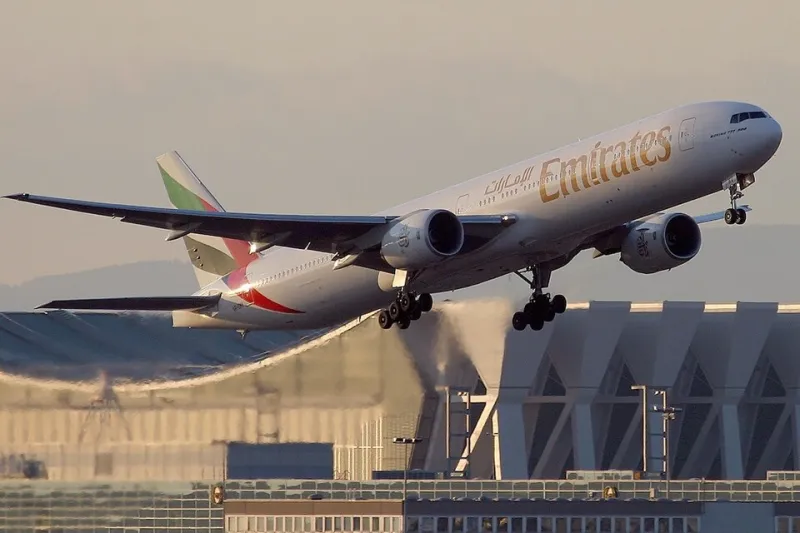
Photo: Skabiczewski, CC BY-SA 3.0, via Wikimedia Commons
Nobody at 7-Eleven will tell you the name was a numerological decision. But ask around the marketing world and you'll hear a different story: the number 7 has been quietly selling Americans everything from Slurpees to scratch-offs for decades, and last year, we collectively dropped an estimated $2.3 billion on lucky-number purchases of one kind or another.
That's not a rounding error. That's an economy.
The 7-Eleven Effect
Start with the convenience store giant. The chain's annual "7-Eleven Day" promotion — free Slurpees every July 11, or 7/11 — has become one of retail's most reliable traffic drivers. But dig into the promotional calendar and you'll find stranger numerical rituals: 77-cent coffee deals, $7.77 meal bundles timed to the seventh of the month, and anniversary campaigns that lean hard on the triple-seven motif.
Marketers we spoke with (several requested anonymity — superstition, it turns out, is a competitive advantage) admitted that pricing something at $7.77 versus $7.99 measurably changes how it feels. "Nobody can prove seven is lucky," one brand strategist told us. "But nobody can prove it isn't, and that ambiguity is free advertising."
License Plates: Where Superstition Gets Expensive
If you want to see how much Americans will actually pay for a digit, look at Virginia. The state's Department of Motor Vehicles runs a public auction program for low-number and "special" vanity plates, and the results are eye-opening. Plate number 7 has traded hands for sums in the tens of thousands of dollars. In nearby states, collectors report similar patterns — single digits, repeating digits, and anything featuring a 7 or 8 commands a premium that has nothing to do with function and everything to do with feeling.
The economics here are fascinating because the buyer is purchasing something with zero practical utility. A plate reading "777" gets you to the grocery store at the same speed as "XQ4R89." What's being sold is a story — about fortune, identity, and being the kind of person for whom things go right.
The Phone Number Brokerage Nobody Talks About
Then there's the quieter market: phone numbers. Small business owners across the country pay brokers premium rates for numbers ending in 7 or featuring repeating patterns, betting that customers will remember and dial. One Atlanta-based plumbing company reportedly paid five figures for a number spelling out "LUCKY-777." The owner's justification? "It pays for itself if it brings in one extra job a month."
Lottery culture completes the picture. Regular players describe elaborate rituals — buying tickets at the same store, at the same time, choosing numbers based on birthdays, anniversaries, or dreams. Scratch-off sales spike on dates like 7/7 and 11/11. Retailers in some states report that "lucky" dates can move 20-30% more tickets than an ordinary Tuesday.
Why Numbers, Specifically?
Here's what makes numerical superstition different from, say, a lucky sock: numbers are public, verifiable, and shareable. A lucky sock lives in a drawer. The number 7 lives everywhere — in prices, addresses, jersey numbers, and phone screens — so the superstition gets reinforced constantly, in public, by everyone.
Psychologists call this the "frequency illusion," but economists have a blunter take: it's a market. And like any market, once people agree something is valuable, it becomes valuable. The $2.3 billion figure isn't irrational exuberance — it's the price of feeling like the universe is on your side, sold one digit at a time.
For a site named after two of the most superstitious digits in the game, we'd be hypocrites to pretend we don't get it. Fifty-seven forever.