Daubers to Digital: Eight Generations of Americans Chasing the Perfect Number
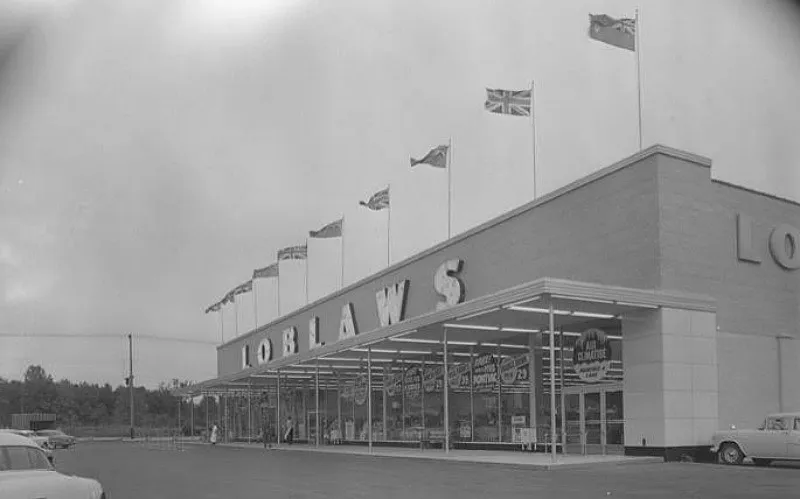
Photo: Vintage Canadian Supermarkets and Discount Stores from Laval, Canada, CC BY 2.0, via Wikimedia Commons
Every era of American life has produced its own way of playing with numbers. The formats change — the halls get quieter, the screens get smaller — but the underlying urge never goes away: find the digit, match the digit, feel that little jolt when it lands.
If you've ever refreshed a number puzzle between meetings, congratulations. You're the newest member of a very old club.
The Parlor Era: Cards, Markers, and Community
Long before anyone said 'casual gaming,' there was bingo. By the mid-20th century, church basements and dedicated bingo parlors from New Jersey to California were running nightly sessions. The genius of bingo wasn't the math — it was the setup. Strangers at shared tables, paper cards, foam daubers, and a caller with a microphone and a sense of theater.
"B-9!" was, functionally, America's first push notification.
The social layer mattered. You didn't just play your card; you played it in a room full of people playing theirs. When someone shouted bingo, the whole hall knew. Modern multiplayer number games are still chasing that feeling — most haven't quite matched a church basement on a Friday night.
Keno and the Lottery Boom
Keno, which rode Chinese immigrant communities into the American mainstream in the 19th century, went big in the 20th. Its descendant, the state lottery, turned number-picking into a national ritual in the 1970s and '80s. Quick Pick machines meant you didn't even need to choose — but plenty of people insisted on picking their own digits, birthdays and anniversaries loaded into every slip.
The lottery taught America something important: a number you chose feels different from a number you were given. That emotional distinction still drives game design today.
The Newspaper Puzzle Pages
Then came the quiet revolution: print puzzles. Crosswords had company by the 2000s, when Sudoku crossed the Pacific and landed in every daily paper in the country. Suddenly millions of commuters were filling 9x9 grids with a ballpoint pen, no prize, no jackpot, no caller. Just the satisfaction of completion.
Sudoku proved something the bingo halls always knew: you don't need to win money for a number game to be worth your time. The click of a correct digit is its own payout.
The App Wave and the Great Downsizing
Smartphones shrank everything. Wordle-style daily puzzles, number-match apps, 2048 clones, merge games — the 2010s turned the puzzle page into a pocket companion. Sessions got shorter. Five minutes here, two minutes there. The games adapted: no long campaigns, no tutorials, just digits and a timer.
Something was lost (the bingo hall's noise) and something was gained (you can play in a waiting room without anyone knowing).
The Browser Lounge: The Tradition Continues
Which brings us to right now. Casual browser games — the kind you open in a tab, play for a few minutes, and close — are the direct descendants of every era above. They borrow bingo's low commitment, the lottery's 'your numbers' personalization, Sudoku's clean logic, and the app era's snackable length.
The difference is friction. No download, no account, no dauber required. The digits are just there, the way the newspaper used to be.
A Quick Field Guide for New Players
If you're arriving late to the tradition, here's how to pick your lane:
- Want logic? Grid-based number puzzles and sequence games reward patience over speed.
- Want luck? Match-and-draw formats scratch the lottery itch without the scratch-off budget.
- Want speed? Tap-fast number chains are the modern keno board — quick hits, quick rounds.
- Want the bingo hall feeling? Look for games with daily streaks or shared leaderboards. The community is smaller, but the dauber energy is real.
Same Urge, New Tab
Strip away the era and every generation did the same thing: took cold, indifferent digits and made them warm. The caller's microphone, the ballpoint pen, the browser tab — they're all just interfaces for the same old thrill.
Your grandparents had their hall. Your parents had their newspaper. You've got a tab open right now. The lineage holds. Play on.